Description
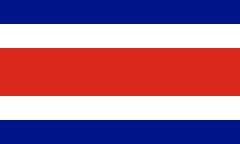
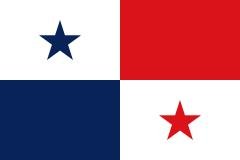
Panela (Spanish pronunciation: [paˈnela]) or rapadura (Portuguese pronunciation: [ʁapaˈduɾɐ]) is an unrefined whole cane sugar, typical of Central and Latin America. It is a solid form of sucrose derived from the boiling and evaporation of sugarcane juice. Panela is known by other names in Latin America, such as chancaca in Chile, Bolivia, and Peru, piloncillo in Mexico (where panela refers to a type of cheese, queso panela ). Just like brown sugar, two varieties of piloncillo are available; one is lighter ( blanco ) and one darker ( oscuro ). Unrefined, it is commonly used in Mexico, where it has been around for at least 500 years. Made from crushed sugar cane, the juice is collected, boiled, and poured into molds, where it hardens into blocks. Elsewhere in the world, the word jaggery describes a similar foodstuff. Both are considered non-centrifugal cane sugars.
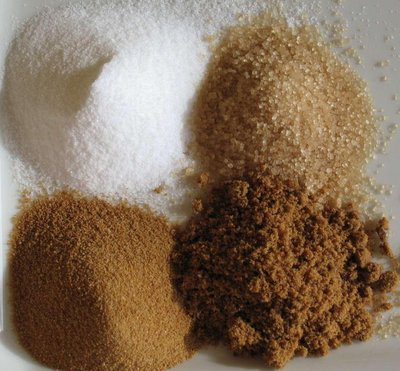
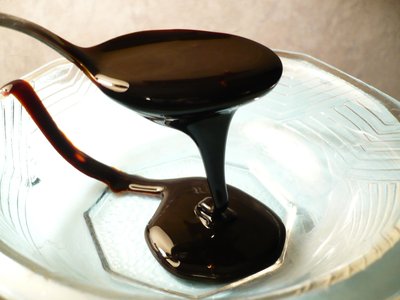
Panela is sold in many forms, including liquid, granulated, and solid blocks, and is used in the canning of foods, as well as in confectionery, soft drinks, baking, and vinegar, beer, and winemaking.