

Description
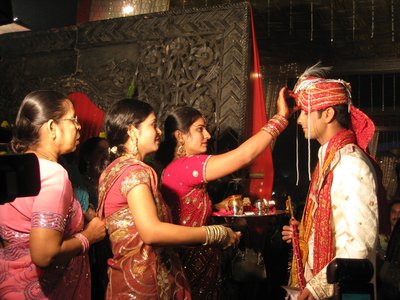
Pitru Paksha (Sanskrit: पितृ पक्ष, Pitṛ pakṣa ; lit. "fortnight of the paternal ancestors"), also spelt Pitri Paksha , is a 16-lunar day period in the Hindu calendar when Hindus pay homage to their ancestors (Pitrs), especially through food offerings. The period is also known as Pitri Paksha / Pitr-Paksha , Pitri Pokkho , Sorah Shraddha ("sixteen shraddhas"), Kanagat , Jitiya , Mahalaya , Apara Paksha and akhadpak.
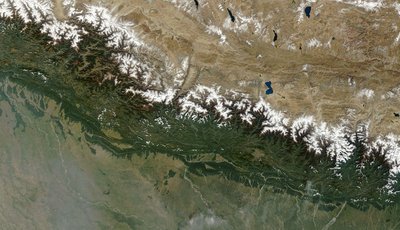
Pitru Paksha is considered by Hindus to be inauspicious, given the death rite performed during the ceremony, known as Shraddha or Tarpana. In southern and western India, it falls in the second paksha (fortnight) Hindu lunar month of Bhadrapada (September) and follows the fortnight immediately after Ganesh Utsav. It begins on the Pratipada (first day of the fortnight) ending with the no moon day known as Sarvapitri Amavasya , Pitri Amavasya , Peddala Amavasya or Mahalaya Amavasya (simply Mahalaya ) Most years, the autumnal equinox falls within this period, i.e. the Sun transitions from the northern to the southern hemisphere during this period. In North India and Nepal, and cultures following the purnimanta calendar or the solar calendar, this period may correspond to the waning fortnight of the luni-solar month Ashvina, instead of Bhadrapada.