

Description
The PPSh-41 (Russian: Пистоле́т-пулемёт Шпа́гина, tr. Pistolét-pulemyót Shpágina-41 , lit. 'Shpagin's machine-pistol-41') is a Soviet submachine gun designed by Georgy Shpagin as a cheaper and simplified alternative to the PPD-40. A common Russian nickname for the weapon is " papasha " (папа́ша), meaning "daddy", and it was sometimes called the "burp gun" because of its high fire-rate.
The PPSh is a selective-fire submachine gun using an open bolt, blowback action. Made largely of stamped steel, it can be loaded with either a box or drum magazine and fires the 7.62×25mm Tokarev pistol round.
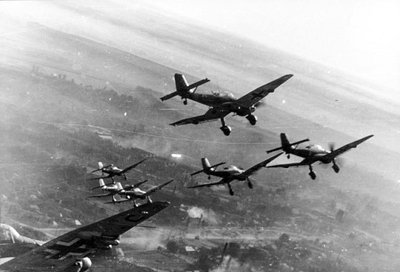
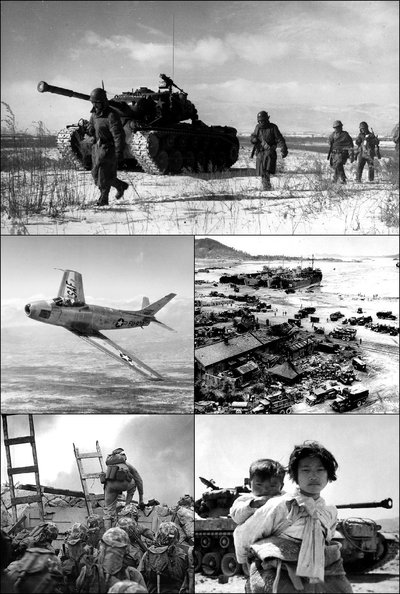
The PPSh saw extensive combat use during World War II and the Korean War; in Eastern Bloc countries, monuments celebrating the actions of the Red Army commonly feature a PPSh-41. It became one of the major infantry weapons of the Soviet Armed Forces during World War II, with about six million PPSh-41s manufactured in this period, making it the most-produced submachine gun of the war.