

Description
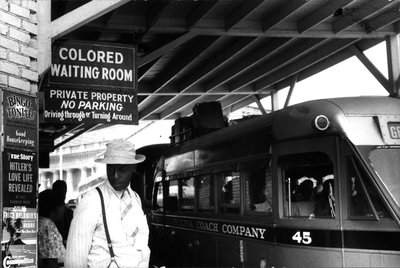
The Progressive Era (1896–1917) was a period of widespread social activism and political reform across the United States focused on defeating corruption, monopoly, waste and inefficiency. The main themes ended during American involvement in World War I (1917–1918) while the waste and efficiency elements continued into the 1920s. Progressives sought to address the problems caused by rapid industrialization, urbanization, immigration, and political corruption; and by the enormous concentration of industrial ownership in monopolies. They were alarmed by the spread of slums, poverty, and what they perceived as the exploitation of labor. Multiple overlapping progressive movements fought perceived social, political and economic ills by advancing democracy, scientific methods, professionalism and efficiency; regulating businesses, protecting the natural environment, and improving working conditions in factories and living conditions of the urban poor. Spreading the message of reform through mass-circulation newspapers and magazines by "probing the dark corners of American life" were investigative journalists known as “muckrakers". The main advocates of progressivism were often middle- class social reformers.
Corrupt and undemocratic political machines and their bosses were a major target, as were business monopolies which progressives worked to regulate of through methods such as trustbusting and antitrust laws, to promote equal competition for the advantage of legitimate competitors. Progressives also advocated for new government roles and regulations, and new agencies to carry out those roles, such as the FDA. The banking system was transformed with the creation of the Federal Reserve System in 1913.
To revitalize democracy, progressives established direct primary elections, direct election of senators (rather than by state legislatures), initiative and referendum, and women's suffrage which was promoted to advance democracy and bring a "purer" female vote into the arena. For many progressives this meant prohibition of alcoholic beverages.
Another theme was bringing to bear scientific, medical, and engineering solutions to reform local government, public education, medicine, finance, insurance, industry, railroads, churches, and much else. Professionalized and make "scientific" social sciences, especially history, economics, and political science. Efficiency was improved with scientific management, or Taylorism.
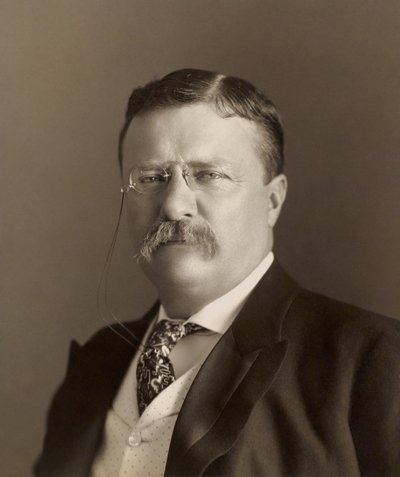
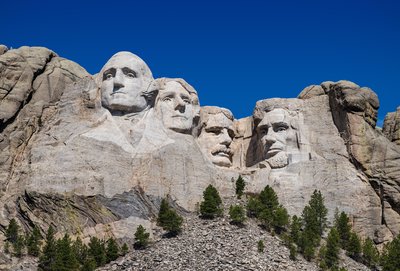
Progressive national political leaders included Republicans Theodore Roosevelt, Robert M. La Follette, and Charles Evans Hughes; Democrats William Jennings Bryan, Woodrow Wilson, and Al Smith. Outside of government, Jane Addams, Grace Abbott, Edith Abbott, and Sophonisba Breckinridge were influential reformers.
Initially, the movement operated chiefly at the local level, but later it expanded to the state and national levels. Progressives drew support from the middle class, and supporters included many lawyers, teachers, physicians, ministers, and business people.