

Description
Public Holidays in India , also known as Statutory Holidays , or colloquially Government Holidays , consist of a variety of cultural, nationalistic, and religious holidays that are legislated in India at the union or state levels. While many of these holidays are honored and acknowledged nationwide, state legislation varies regarding which are officially recognized.
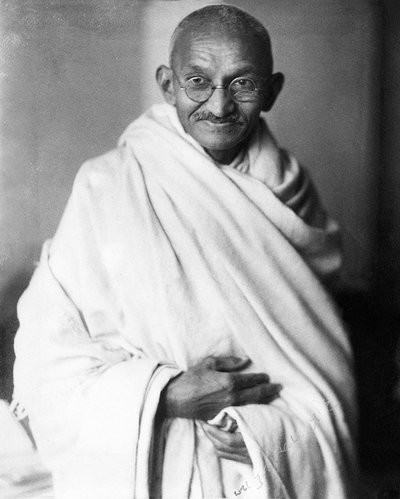
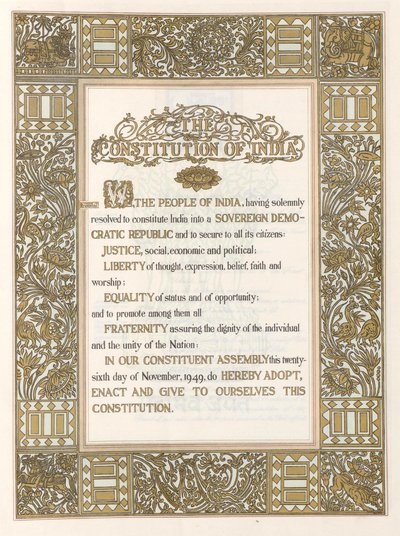
India, being a culturally diverse society, celebrates many holidays and festivals, but there are only three national festivals: Republic Day (26 January), Independence Day (15 August), and Gandhi Jayanti (2 October).
In India, there are more than 30 grand festivals that are celebrated in major parts of India along with other state festivals. States have local festivals depending on prevalent religious and linguistic demographics.
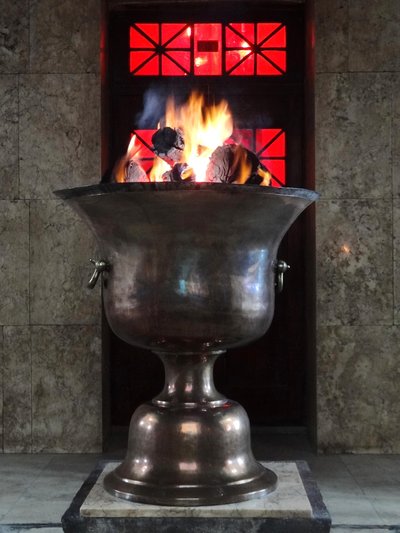
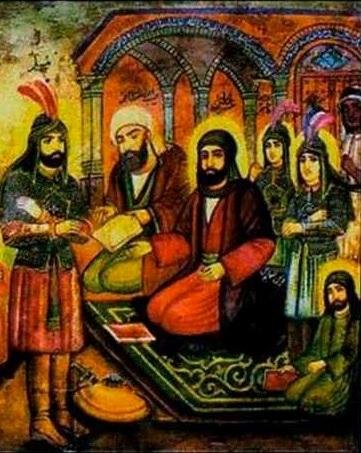
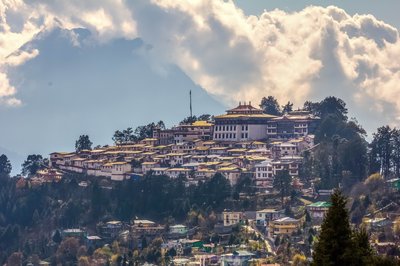
Popular Hindu festivals like Makar Sankranti, Pongal, Maha Shivratri, Janmashtami, Saraswati Puja, Guru Purnima, Ganesh Chaturthi, Raksha Bandhan, Holi, Durga Puja, Dussehra, and Diwali; Jain festivals like Mahavir Janma Kalyanak and Paryushan; Sikh festivals like Guru Nanak Jayanti and Vaisakhi; Muslim festivals like Eid ul-Fitr, Eid ul-Adha, Mawlid, and Muharram; Buddhist festivals like Ambedkar Jayanti, Buddha Jayanti, Dhammachakra Pravartan Day, and Losar; Parsi Zoroastrian holidays such as Nowruz; and Christian festivals like Good Friday, Christmas and Easter, some festivals are celebrated by the whole of India and some festivals are celebrated by limited regions in India.