

Description
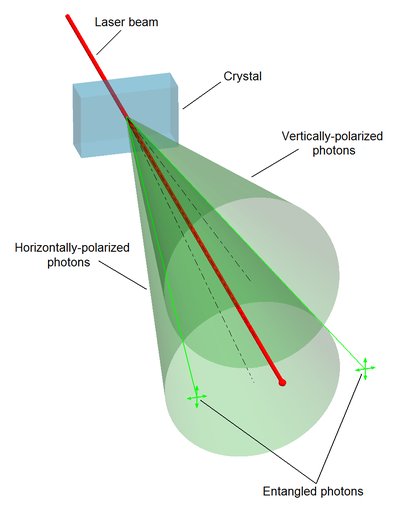
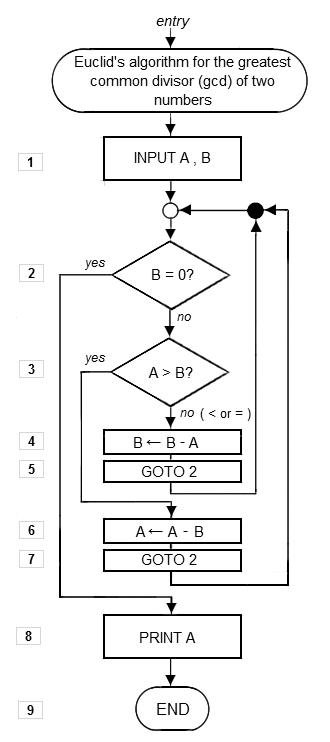
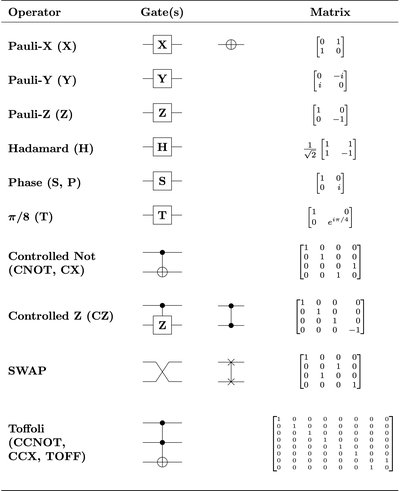
In quantum computing, a quantum algorithm is an algorithm that runs on a realistic model of quantum computation, the most commonly used model being the quantum circuit model of computation. A classical (or non-quantum) algorithm is a finite sequence of instructions, or a step-by-step procedure for solving a problem, where each step or instruction can be performed on a classical computer. Similarly, a quantum algorithm is a step-by-step procedure, where each of the steps can be performed on a quantum computer. Although all classical algorithms can also be performed on a quantum computer, the term quantum algorithm is generally reserved for algorithms that seem inherently quantum, or use some essential feature of quantum computation such as quantum superposition or quantum entanglement.
Problems that are undecidable using classical computers remain undecidable using quantum computers. What makes quantum algorithms interesting is that they might be able to solve some problems faster than classical algorithms because the quantum superposition and quantum entanglement that quantum algorithms exploit generally cannot be efficiently simulated on classical computers (see Quantum supremacy).
The best-known algorithms are Shor's algorithm for factoring and Grover's algorithm for searching an unstructured database or an unordered list. Shor's algorithm would, if implemented, run much (almost exponentially) faster than the most efficient known classical algorithm for factoring, the general number field sieve. Likewise, Grover's algorithm would run quadratically faster than the best possible classical algorithm for the same task, a linear search.
Quantum Algorithm News
Tags
Collections
No collections available for this topic.