
Description
The Second Chechen War (Russian: Втора́я чече́нская война́, Chechen: ШолгIа оьрсийн-нохчийн тӀом, lit. 'Second Russian-Chechen War') took place in Chechnya and the border regions of the North Caucasus between the Russian Federation and the Chechen Republic of Ichkeria, from August 1999 to April 2009.
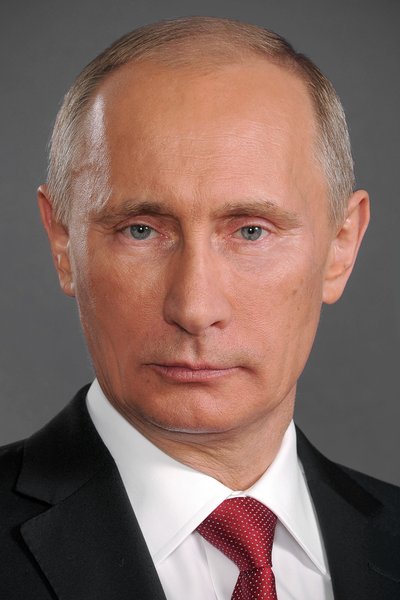
In August 1999, Islamist fighters from Chechnya infiltrated Russia's Dagestan region, violating Russia's borders. Later in September a series of apartment bombings occurred in Russian cities, killing over 300. Russian authorities were quick to blame Chechen separatists, although no Chechen field commander, or otherwise took responsibility for the attacks. Several historians and political commentators hold the view that the successful bombings were coordinated by Russian state security services to help bring the then prime minister Vladimir Putin into the presidency. During the initial campaign, Russian military and pro-Russian Chechen paramilitary forces faced Chechen separatists in open combat and seized the Chechen capital Grozny after a winter siege that lasted from December 1999 until February 2000. Russia established direct rule over Chechnya in May 2000 although Chechen militant resistance throughout the North Caucasus region continued to inflict heavy Russian casualties and challenge Russian political control over Chechnya for several years. Both sides carried out attacks against civilians. These attacks drew international condemnation.
In mid-2000, the Russian government transferred certain military responsibilities to pro-Russian Chechen forces. The military phase of operations was terminated in April 2002, and the coordination of the field operations was given first to the Federal Security Service and then to the Ministry of Internal Affairs in the summer of 2003.
By 2009, Russia had severely disabled the Chechen separatist movement and large-scale fighting ceased. Russian army and Interior Ministry troops ceased patrolling. Grozny underwent reconstruction efforts and much of the city and surrounding areas were rebuilt quickly. Sporadic violence continued in the North Caucasus; occasional bombings and ambushes against federal troops and forces of the regional governments in the area still occur.
In April 2009, the government operation in Chechnya officially ended. As the bulk of the army was withdrawn, responsibility for dealing with the low-level insurgency was shouldered by the local police force. Three months later, the exiled leader of the separatist government, Akhmed Zakayev, called for a halt to armed resistance against the Chechen police force from August and said he hoped that "starting with this day Chechens will never shoot at each other". This marked the end of the Chechen conflict. The death toll of the conflict is unknown, although the total loss of human life, including both combatants and non-combatants, is estimated to be over 60,000.