

Description
Settler colonialism is a process by which settlers exercise colonial rule over an environment and its indigenous peoples, transforming the environment and replacing or assimilating its population with or into settlements and the society of the settlers.
Settler colonialism is a form of exogenous (of external origin, coming from the outside) domination typically organized or supported by an imperial authority, which maintains a connection or control to the territory through the settler's colonialism. Settler colonialism contrasts with exploitation colonialism, where the imperial power conquers territory to exploit the natural resources and gain a source of cheap or free labor. As settler colonialism entails the creation of a new society on the conquered territory, it lasts indefinitely unless decolonisation occurs through departure of the settler population or through reforms to colonial structures, settler- indigenous compacts and reconciliation processes.
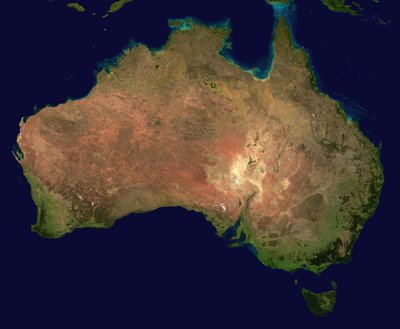
Settler colonial studies has often focused on English-speaking settler colonies in Australia and North America, which are close to the complete, prototypical form of settler colonialism. However, settler colonialism is not restricted to any specific culture and has been practised by non-Europeans.