

Description
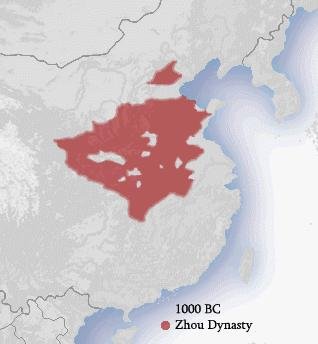
Shangdi (Chinese: 上帝; pinyin: Shàngdì ; Wade–Giles: Shang Ti ), also called simply Di (Chinese: 帝; pinyin: Dì ), is the Chinese term for "Supreme Deity" or "Highest Deity" in the theology of the classical texts, especially deriving from Shang theology and finding an equivalent in the later Tian ("Heaven" or "Great Whole") of Zhou theology.
Although the use of "Tian" to refer to the absolute God of the universe is predominant in Chinese religion today, "Shangdi" continues to be used in a variety of traditions, including certain philosophical schools, certain strains of Confucianism, some Chinese salvationist religions (notably Yiguandao) and Chinese Protestant Christianity. In addition, it is commonly used by contemporary Chinese (both mainland and overseas) and by religious and secular groups in East Asia, as a name of a singular universal deity and as a non-religion translation for God in Abrahamic religions.