

Description
Silphium (also known as silphion , laserwort , or laser ) is an unidentified plant that was used in classical antiquity as a seasoning, perfume, aphrodisiac, and medicine.
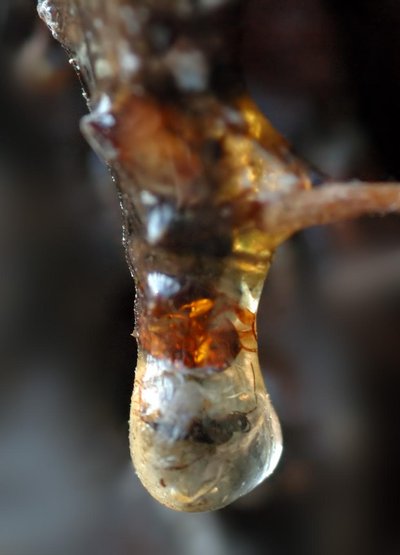
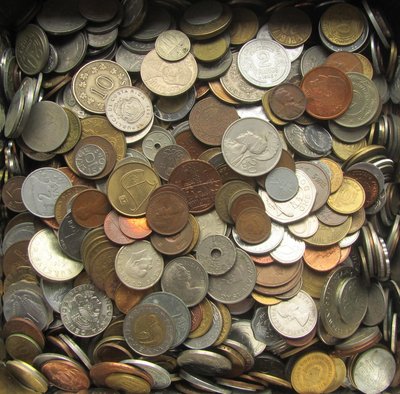
It was also used as a contraceptive by ancient Greeks and Romans. It was the essential item of trade from the ancient North African city of Cyrene, and was so critical to the Cyrenian economy that most of their coins bore a picture of the plant. The valuable product was the plant's resin ( laser , laserpicium , or lasarpicium ).
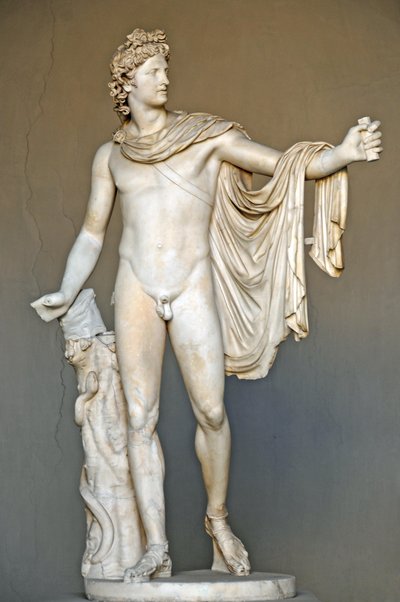
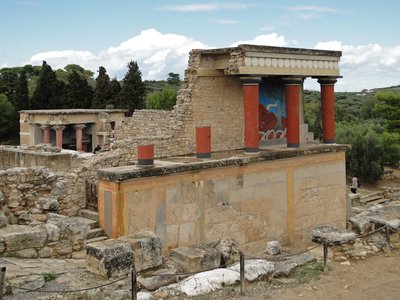
Silphium was an important species in classical antiquity, as evidenced by the Egyptians and Knossos Minoans developing a specific glyph to represent the silphium plant. It was used widely by most ancient Mediterranean cultures; the Romans, who mentioned the plant in poems or songs, considered it "worth its weight in denarii" (silver coins), or even gold. Legend said that it was a gift from the god Apollo.
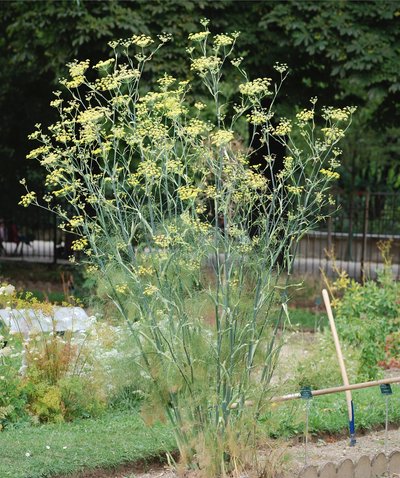
The exact identity of silphium is unclear. It was claimed to have become extinct in Roman times. It is commonly believed to be a fennel relative in the genus Ferula , perhaps a variety of giant fennel. The extant plants Margotia gummifera , Ferula tingitana , and Ferula drudeana have been suggested as other possibilities. Another theory is that it was simply a high quality variety of asafoetida, a common spice in the Roman Empire. The two spices were considered the same by many Romans including the geographer Strabo. In 2021, a study from Istanbul University identified Ferula drudeana as a likely candidate for silphium, matching both the appearance of silphium in descriptions and the spice-like gum-resin of silphium, though without a surviving sample no genetic analysis can be made.