Description
Space opera is a subgenre of science fiction that emphasizes outer space adventures set in a universe in which faster-than-light travel has become common. The plots often play out against a backdrop of space warfare, alien civilizations and galactic empires. The sub-genre is sometimes thought of as a futuristic homage to earlier adventure sagas, such as those found in mythology and chivalric romance.
The term does not refer to opera music, but instead originally referred to the melodrama, scope, and formulaic stories of operas, much as used in "soap opera", a melodramatic domestic drama, and "horse opera", a 1930s phrase for a clichéd and formulaic Western film. Prototypes of space opera emerged in the early twentieth century, and the genre today enjoys great popularity in literature, film, comics, television, video games and board games.
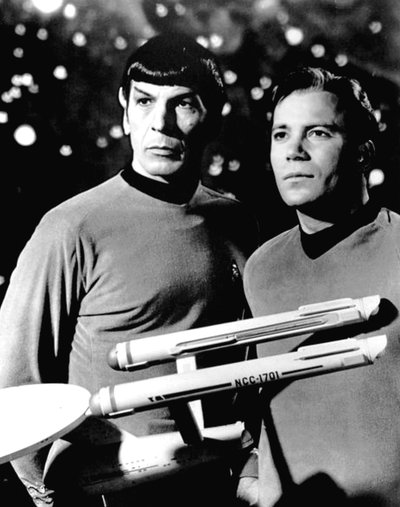
An early serial film which was based on space opera comic strips was Flash Gordon (1936), created by Alex Raymond. Perry Rhodan (1961–), a German franchise by multiple authors, is one of the most successful space opera book series. The Star Trek TV and film series (1966–) created by Gene Roddenberry, the Star Wars films (1977–) created by George Lucas, and the long-running British television series Doctor Who (1963-) have brought a great deal of attention to the sub-genre. A wave of "new space opera" works starting in the 1970s, in conjunction with the enormous success of the media franchises, helped space opera to became a critically acceptable sub-genre. From 1982 to 2002, the Hugo Award for Best Novel was often given to a space opera nominee.