

Description
Surströmming (pronounced [ˈsʉ̂ːˌʂʈrœmːɪŋ]; Swedish for 'sour herring') is lightly salted fermented Baltic Sea herring traditional to Swedish cuisine since at least the 16th century. Surströmming or fermented herring is distinct from fried or pickled herring.
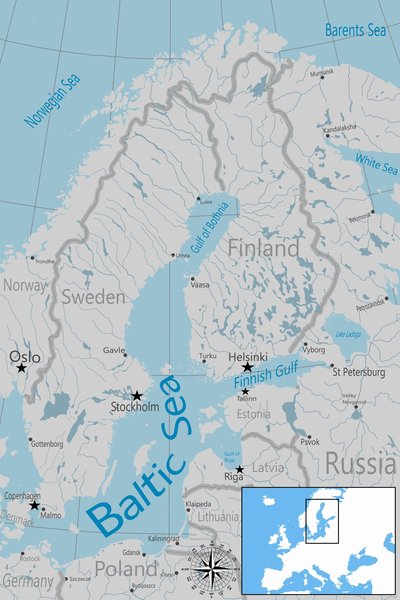
The Baltic herring, known as strömming in Swedish, is smaller than the Atlantic herring, found in the North Sea. Traditionally, strömming is defined as herring caught in the brackish waters of the Baltic north of the Kalmar Strait. The herring used for surströmming are caught just prior to spawning in April and May.
During the production of surströmming, just enough salt is used to prevent the raw herring from rotting while allowing it to ferment. A fermentation process of at least six months gives the fish a characteristic strong smell and somewhat acidic taste. A newly opened can of surströmming has one of the most putrid food smells in the world, even stronger than similarly fermented fish dishes such as the Korean hongeohoe , the Japanese kusaya or the Icelandic hákarl.
At the end of the 1940s, surströmming producers in Sweden lobbied for a royal ordinance (Swedish: förordning ) that would prevent incompletely fermented fish from being sold. The decree that was issued forbade sales of the current year's production in Sweden prior to the third Thursday in August. While the ordinance is no longer on the books, retailers still maintain the date for the "premiere" of that year's catch.
Surströmming News
Tags
Collections
No collections available for this topic.