
Description
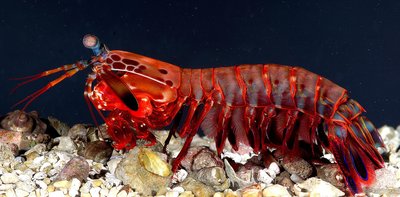
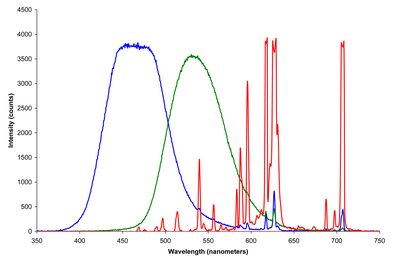
Tetrachromacy (from Greek tetra , meaning "four" and chroma , meaning "color") is the condition of possessing four independent channels for conveying color information, or possessing four types of cone cell in the eye. Organisms with tetrachromacy are called tetrachromats.
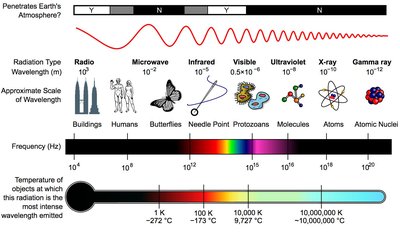
In tetrachromatic organisms, the sensory color space is four-dimensional, meaning that matching the sensory effect of arbitrarily chosen spectra of light within their visible spectrum requires mixtures of at least four primary colors.
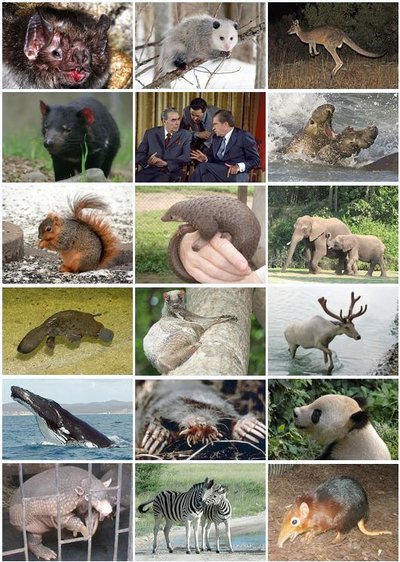
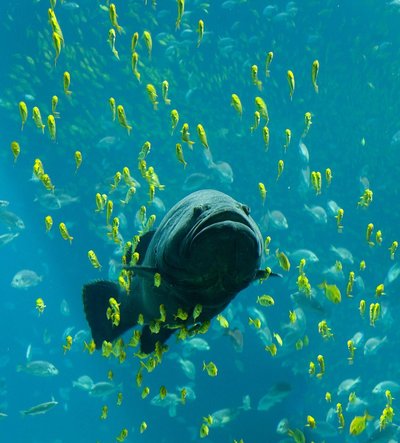
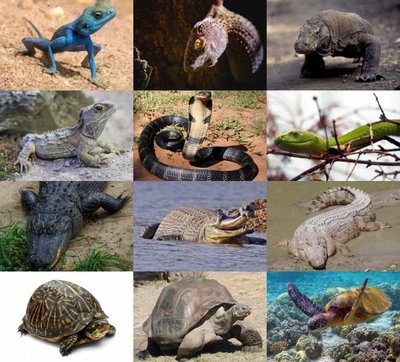
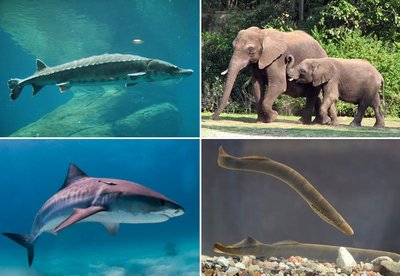
Tetrachromacy is demonstrated among several species of birds, fishes, and reptiles. The common ancestor of all vertebrates was a tetrachromat, but mammals evolved dichromacy, due to the nocturnal bottleneck, losing two of their four cones. Some primates then later evolved a third cone.
Tetrachromacy News
Collections
No collections available for this topic.