Description
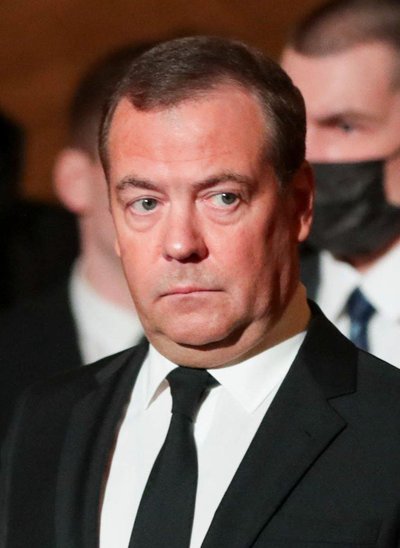
Viktor Fedorovych Yanukovych (Ukrainian: Віктор Федорович Янукович, pronounced [ˈwiktor ˈfɛdorowɪtʃ jɐnʊˈkɔwɪtʃ] ; Russian: Виктор Фёдорович Янукович, romanized: Viktor Fyodorovich Yanukovich ; born 9 July 1950) is a former Ukrainian politician, who was the fourth President of Ukraine from 2010 to 2014. He also served as Prime Minister of Ukraine several times between 2002 and 2007 and was a member of the Verkhovna Rada from 2006 to 2010. A member of the pro-Russian Party of Regions, his removal from the presidency via revolution in 2014 led to the Russo-Ukrainian War. Since then, he has lived in exile in Russia.
Prior to entering national politics with his successful run for parliament in 2006, Yanukovych was the Governor of his native Donetsk Oblast from 1997 to 2002. He was simultaneously the Chairman of the oblast's legislature from 1999 to 2001.
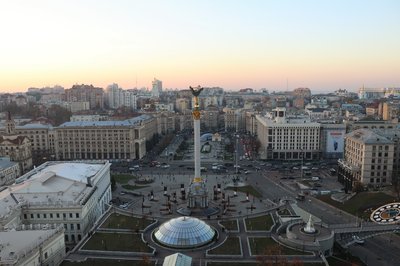
Yanukovych first ran for president in the 2004 election, where he advanced to the runoff and was declared the winner against former Prime Minister Viktor Yushchenko. However, allegations of electoral fraud and voter intimidation caused widespread protests and Kyiv's Independence Square was occupied in what became known as the Orange Revolution. The Ukrainian Supreme Court ultimately nullified the runoff election and ordered a rerun, which Yanukovych lost to Yushchenko. Yanukovych ran for President again in the 2010 election, this time beating Prime Minister Yulia Tymoshenko in an election that was judged free and fair by international observers.
Yanukovych argued in favour of economic modernisation, increased spending and, initially, continuing trade negotiations with the European Union (EU) that was started by his predecessor. He pledged to remain non-aligned in defence policy. However, his years in power saw what analysts described as democratic backsliding, which included the jailing of Tymoshenko, a decline in press freedom and an increase in cronyism and corruption. In November 2013, a series of events began that ultimately led to his ousting as President. This centred around Yanukovych's decision, amidst economic pressure from Russia, to withdraw from signing an association agreement with the EU and instead accepting a Russian trade deal and loan bailout. This sparked mass protests against Yanukovych. The civil unrest peaked in February 2014, when almost 100 protesters were killed. The unrest continued despite a last-minute agreement reached with the opposition, and he fled from the capital to eastern Ukraine on 21 February. The next day, Ukraine's parliament voted to remove him from his position and schedule early elections on the grounds that he had withdrawn from his constitutional duties, rather than through following the impeachment process outlined in the Ukrainian constitution. His party was not present during the vote.
On 24 February 2014, the new government issued a warrant for Yanukovych's arrest, accusing him of being responsible for the death of protestors. Yanukovych went into exile in Russia, claiming to still be the legitimate head of state. On 18 June 2015, Yanukovych was officially deprived of the title of president by parliament. In various polling conducted since his departure from office, Yanukovych was ranked the least popular of the six presidents in Ukraine's history. Yanukovych has also given his name to a collective term for blunders made by Ukrainian politicians: Yanukisms. On 24 January 2019, he was sentenced in absentia to a thirteen year prison term for 'high treason' by a Ukrainian court.