

Description
Young Americans is the ninth studio album by the English musician David Bowie, released on 7 March 1975 through RCA Records. It marked a departure from the glam rock style of previous albums, and showcased Bowie's interest in soul and R&B. Music critics have described the record as blue-eyed soul, while Bowie himself labelled the album's sound "plastic soul".
Recording sessions began at Sigma Sound Studios in Philadelphia in August 1974, after the first leg of his Diamond Dogs Tour. The record was produced by Tony Visconti, and includes a variety of musicians, such as guitarist Carlos Alomar, who became one of Bowie's most frequent collaborators, and the backing vocalists Ava Cherry, Robin Clark and then-unknown singer Luther Vandross. As the tour continued the setlist and design began to incorporate the influence of the new material.
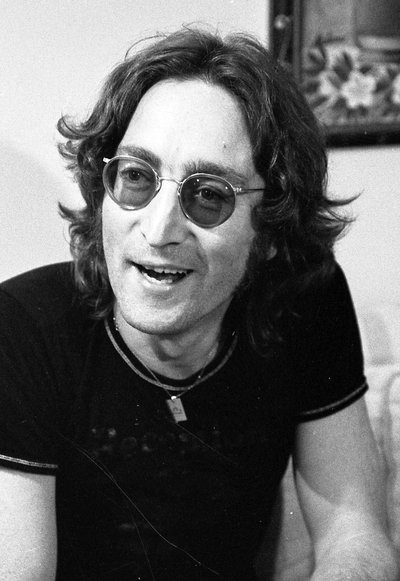
The recording sessions continued at the Record Plant in New York City at the tour's end. A collaboration between Bowie and John Lennon yielded a cover of Lennon's Beatles song "Across the Universe" and "Fame" during a January 1975 session at Electric Lady Studios, produced by Harry Maslin. The sessions produced several outtakes and the record went through numerous working titles. The cover artwork is a back-lit photograph of Bowie taken by Eric Stephen Jacobs.
Young Americans was very successful in the US, reaching the top 10 on the Billboard chart; the single "Fame" became Bowie's first number one hit. It has received mixed critical reviews both on release and in later decades; Bowie himself had mixed feelings about the album. His biographers consider it one of his most influential records, noting him as among the first white musicians of the era to overtly engage with black musical styles. The album has been reissued multiple times and was remastered in 2016 as part of the Who Can I Be Now? (1974–1976) box set.